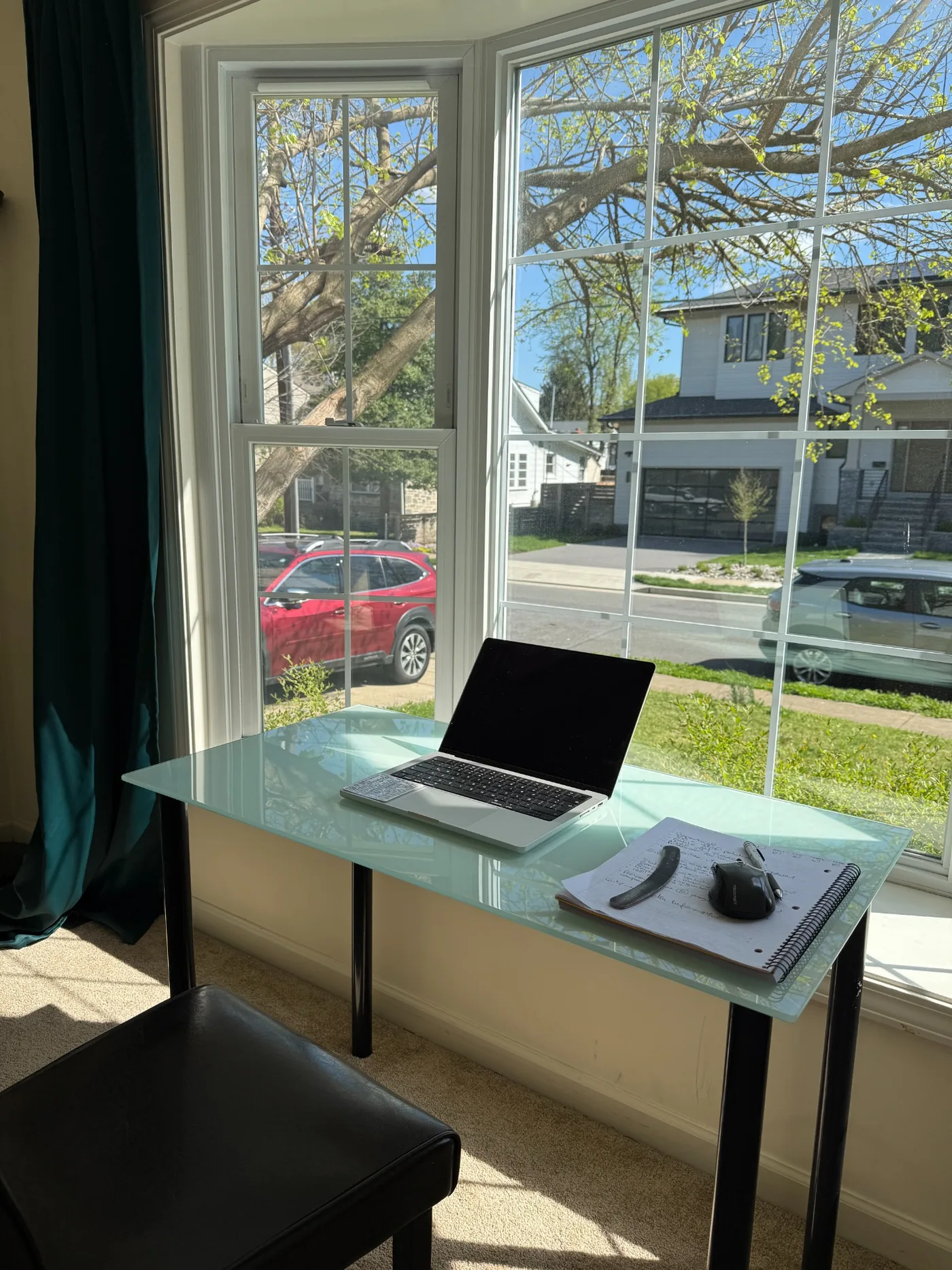

A year ago, amid a rather intense university, migrant, and work life, something ignited inside me. It wasn't just about forgetting dates or losing things—as always happened to me—but about wholly losing track of time. One day, without realizing it, I spent hours studying and ended up canceling an important outing with my husband. The one-on-one conversation with my boss was also a turning point. That's when I knew something wasn't right.
I always thought certain things were part of my personality: dissociating, feeling carefree, not expressing much (or doing so too much). But there came a point where these characteristics began to affect my quality of life. The mental fatigue, the frustration of not being able to stick to routines, the emotional exhaustion… everything accumulated until I had my first panic attacks.
What came next was a longer process than I imagined. The diagnosis of Attention Deficit Hyperactivity Disorder (ADHD) didn't come in a quick appointment. First, I told my primary care physician what I was going through and feeling. The primary care physician gave me a suspicion, and then the psychiatrist and clinical evaluations with a psychologist confirmed the diagnosis months later. It was a process of layers, validation, and patience. But when I finally heard the diagnosis… I felt relief. I finally had a name for everything that was happening to me. I could finally look for clear answers and build new strategies around them.
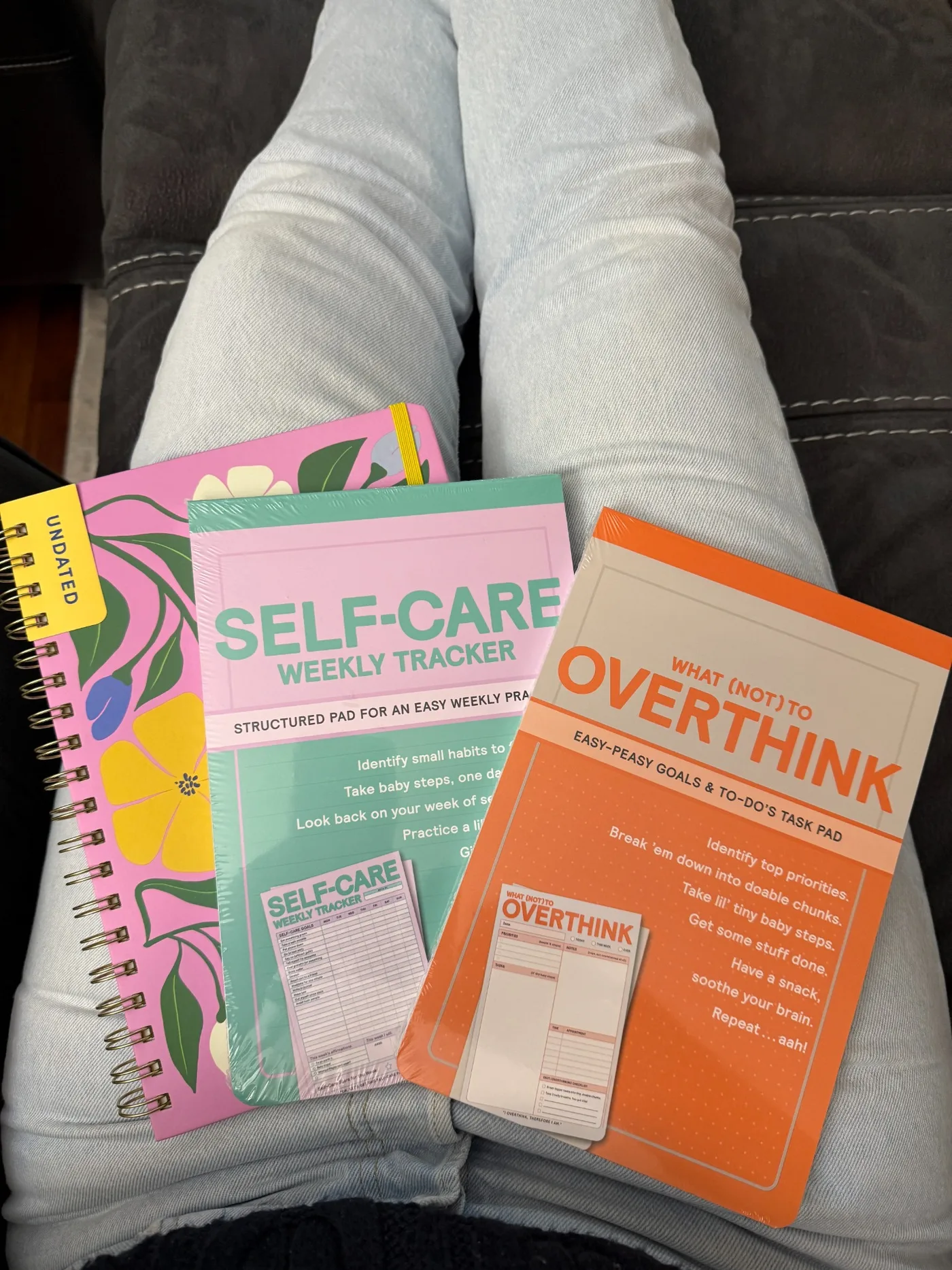
And I began to change. I want to organize my life, yes, but with intention. Doing meal prep on Sundays, use reminders for my appointments, take my medication respectfully, and embrace my therapy process consistently. And also to make room for reality: there are days when I have no energy and can't handle everything, and that's okay. Planning according to my energy levels is more effective than constantly pushing myself to 100%.
My productivity changed because my perspective changed. I understood that my timing and processes don't have to look like anyone else's. That I, with a brain that works differently, need different structures. And that's okay because it's not about doing everything perfectly but making it possible with the right tools.
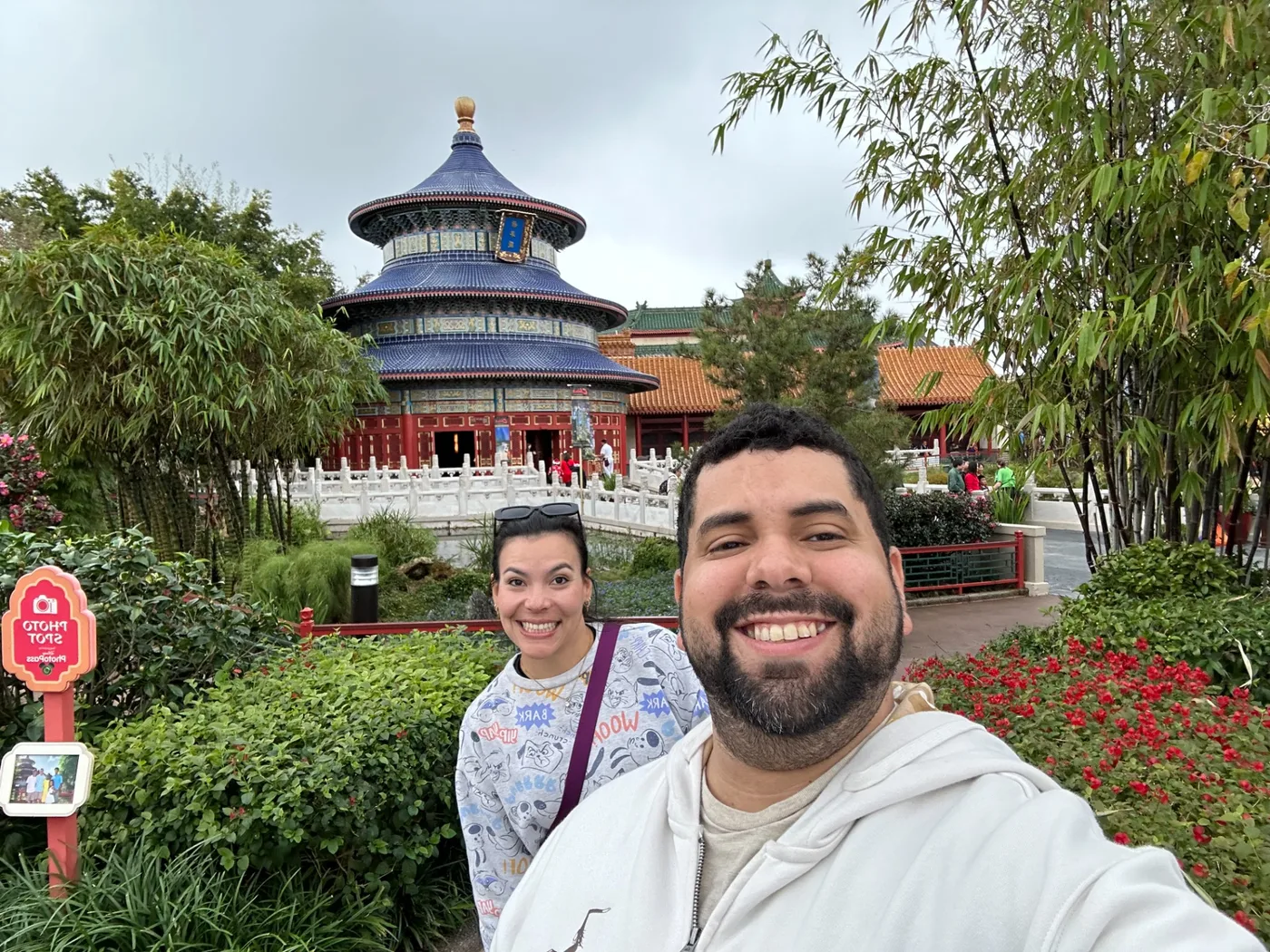
My husband—my life partner in every sense—became my unofficial academic tutor. He reminds me of tasks, helps with my schedule, and accompanies me when my mind wanders. I have a safe environment that validates me and doesn't judge me. That also makes a difference.
Today, self-compassion has given me more clarity than any perfect routine. And if you're reading this and feel different, confused, or overwhelmed, I want to tell you something from the heart: when in doubt, seek professional help. There's a lot of information online, but nothing replaces a specialist's honest, human, and skilled support. You are not alone.
ADHD doesn't define me, but it did give me a roadmap to understand myself better. And that, for me, is a new—and much healthier—way to be productive.
Additional links that may help you: