News article 2
WASHINGTON, D.C. — Latinas in the U.S. capital are transforming the narrative of migration and leadership through numbers and stories of reinvention and quiet strength. From education to community advocacy, these women are leaving their mark on the spaces they inhabit.
Sarah, a Venezuelan who migrated seven years ago, remembers arriving without speaking English and with many doubts. Today, she works for a nonprofit that assists migrant communities. "I went through migration grief as if it were a breakup. But amid that chaos, I decided I wouldn't stay still," she said. Then, she began to build a support network and connect with spaces now part of her professional purpose: serving her community.
Another interviewee, who requested anonymity and whom we will call María, shares a similar experience. After earning a doctorate in education, she works for an organization supporting first-generation students accessing college. "It's not easy, especially when you feel you could aspire to more, but the language or insecurity holds you back. Sometimes it's not fear, but a constant doubt about whether you'll achieve it," she said.
According to data from the U.S. Census Bureau, more than
120,000 Latinas live in the Washington, D.C., metropolitan area and face
significant wage gaps compared to other groups https://www.census.gov/quickfacts/fact/table/washingtoncitydistrictofcolumbia,DC/PST045223
For Sarah, recognizing this inequality was the first step in challenging it. "They'll always offer you the lowest price, but when you know your worth, you can sit at the table and negotiate," she says. María agrees: "In my evaluation, I asked for a raise. They didn't give me the full amount, but at least I'm no longer silent."
Both emphasize that their support network has been crucial. For María, being in a migrant women's chat room was key to finding work. Sarah, for her part, planned from the beginning to create a circle of emotional and professional support. "Migration is hard, but it gives you tools for self-discovery that nothing else can offer. I'm not the same person I was seven years ago," she says firmly.
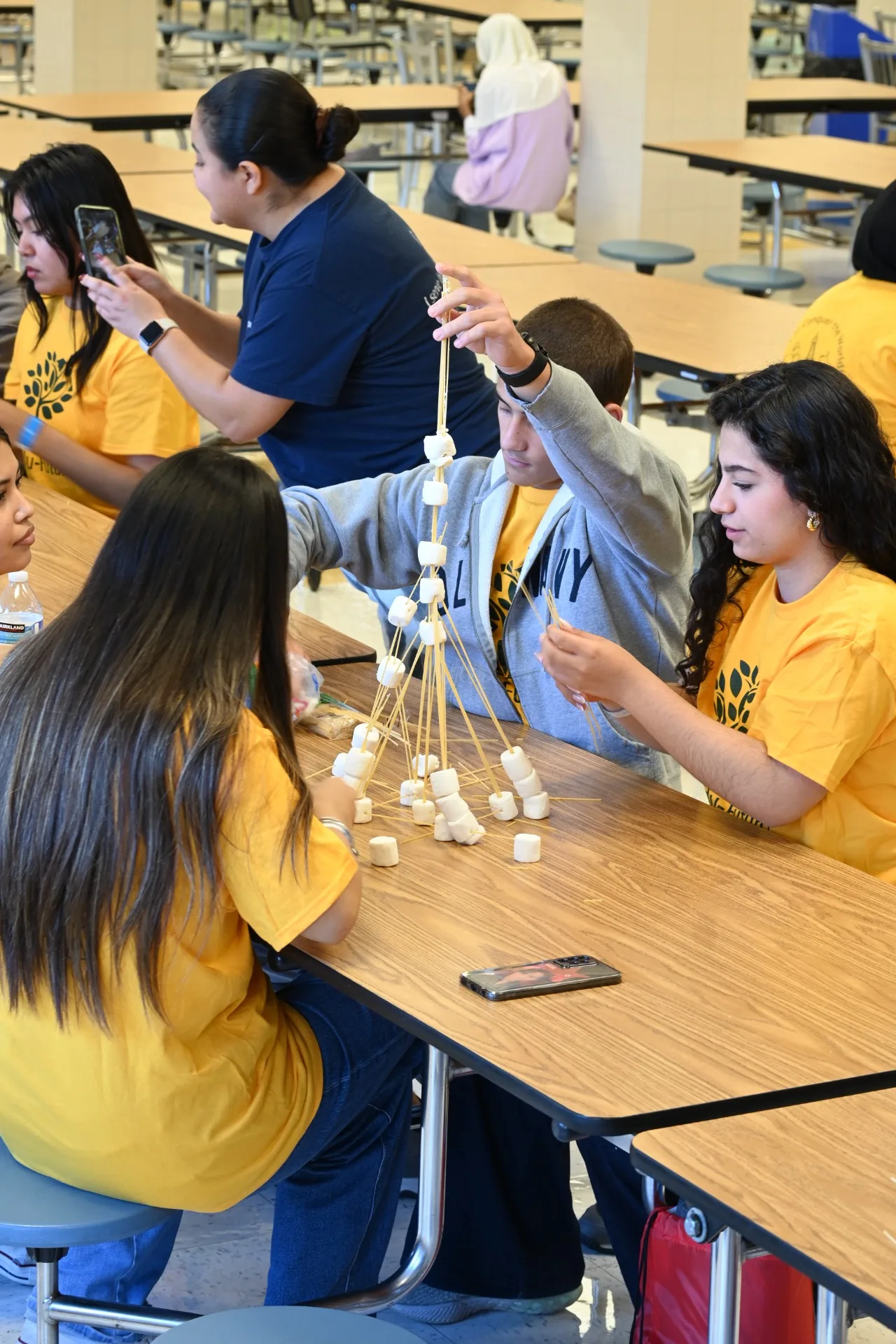
The impact of Latina women isn't limited to the workplace. From training spaces to community programs, they are forming new generations. "I once brought the founder of ArepaZone to a panel with students. Everyone wanted to listen to her. These kinds of encounters change lives," says María.
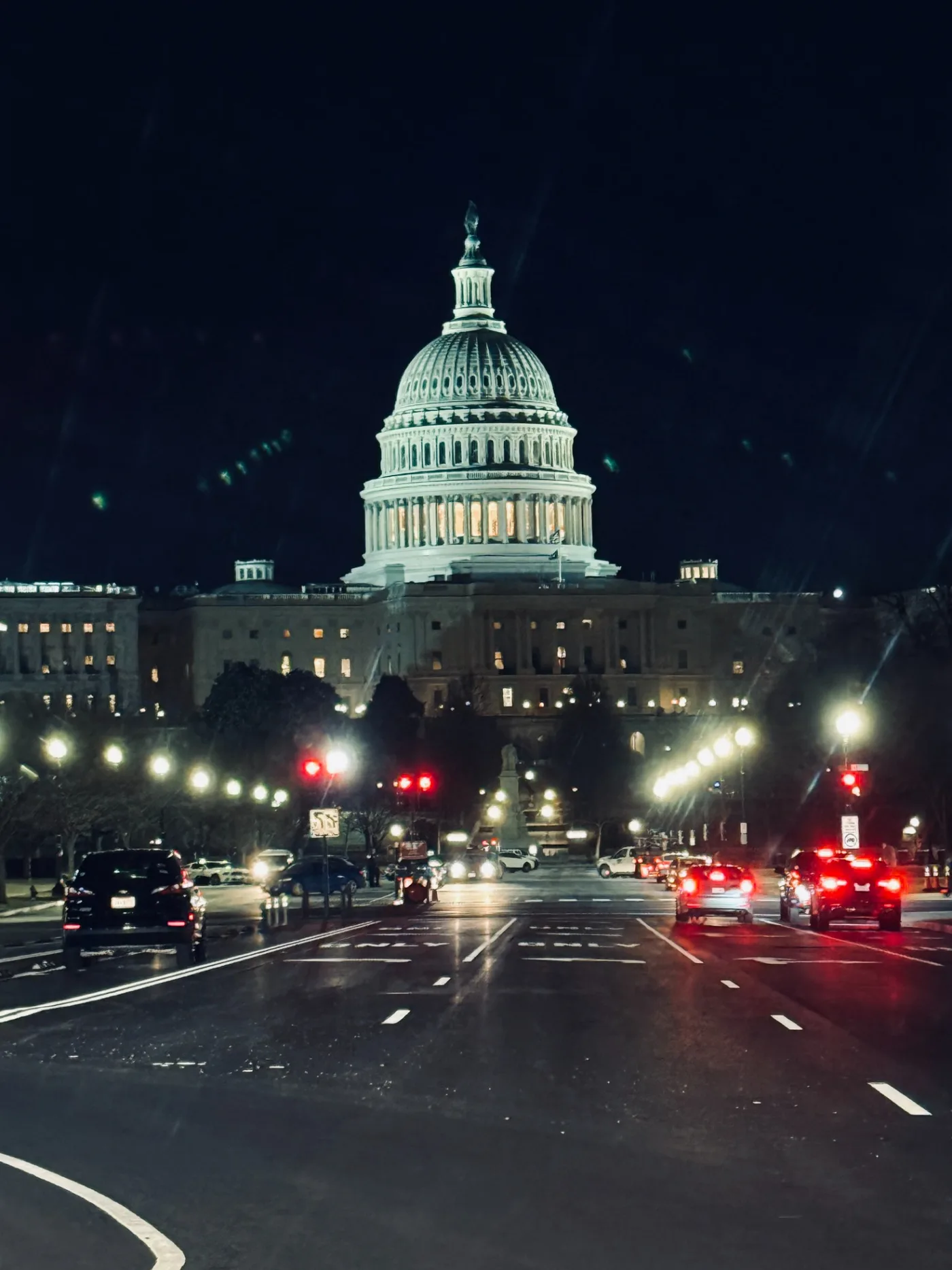
Despite the progress, both agree that there is still a lack of female representation in positions of power. "I've brought students to Congress, and all the representatives we visited were men. Women were there, yes, but as assistants," says María. "We should be at the decision-making table, not just taking notes."
Beyond their achievements, both women use their cultural identity as a driving force. "Being Venezuelan is part of my story. It reminds me of what I left behind, but also of all I can contribute here," says Sarah. María sums it up this way: "Our presence inspires. Every step we take paves the way for many more."
Sarah and María's stories reflect a fundamental truth: the impact of Latinas in Washington, D.C., is profound, powerful, and continues to grow. Sarah Dávila, Manager of Development Operations at YWCA National Capital Area, has empowered Latina women in Washington, D.C. Through her leadership and advocacy work, she inspires others to embrace their roots and step confidently into spaces of influence.